

Award of Excellence: Salwan Georges
This premier category is open to all photographers — independent, agency, wire service, or newspaper photographers.
The work should be of primary interest to a nation or the world, usually created with the intent to share nationally or internationally. Newspaper photographers who cover national or international stories should enter portfolios in this category.
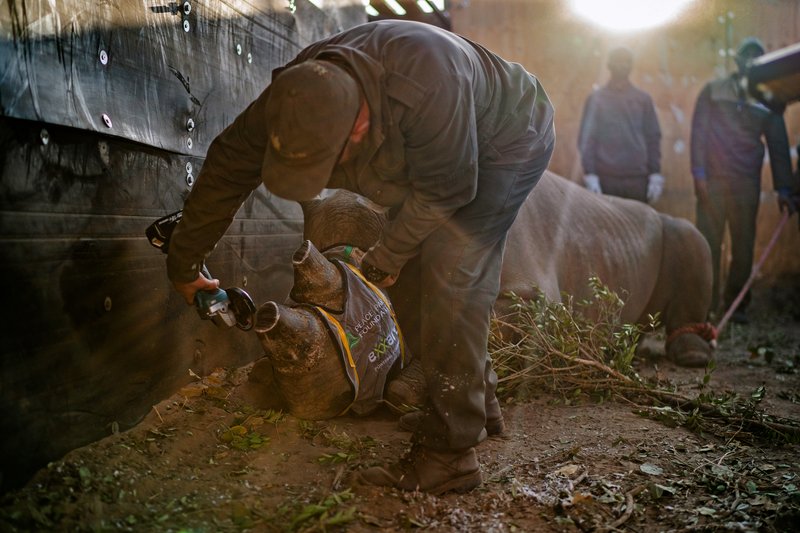
Africa Black Rhino
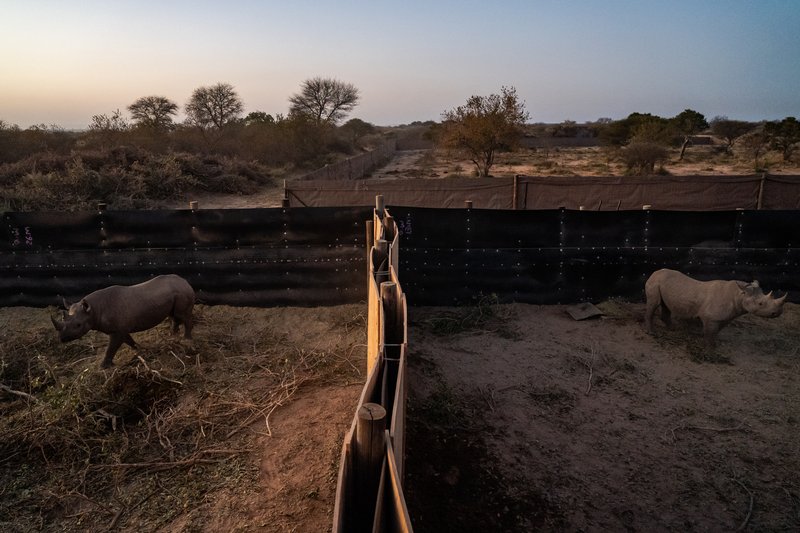
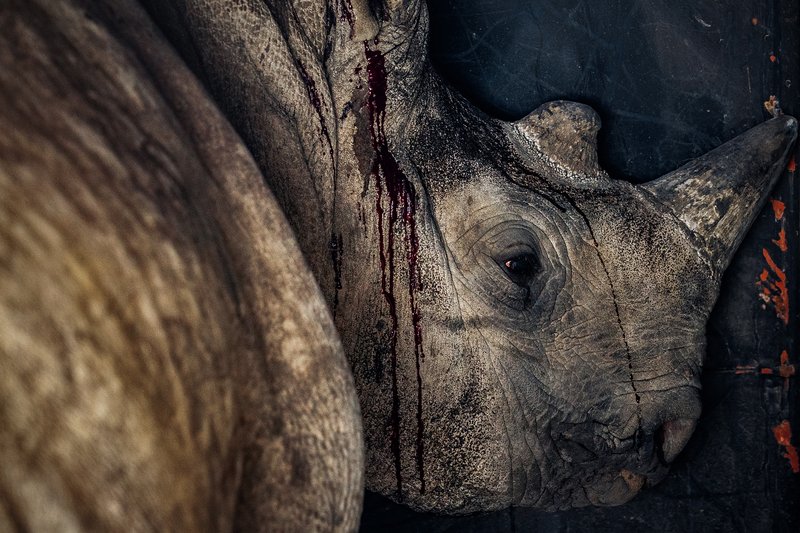
The perilous 1,000-mile journey to save Africa’s endangered black rhinos. Rhino poaching is on the rise again in South Africa, feeding appetites in Asia and the Middle East, where rhino horns are often used in traditional medicines or as cultural artifacts. South African and Asian governments, as well as Interpol, have struggled for decades to curb this illicit global trade, where each horn can fetch tens of thousands of dollars.Now, animal conservationists are trying to save South Africa's rhinos by moving them out of threatened areas and into new habitats with strong security and strategic conservation methods. The hope is that this will allow the rhinos to seed large breeding herds, protecting the species for future generations.Some are being sent to neighboring countries such as Mozambique - part of an extraordinary, Noah's ark-like effort to create cross-border sanctuaries, repopulate depleted national parks, and restore ecosystems that can fight climate change and attract tourists. For the first time, Mozambique has the so-called Big Five — rhinos, lions, elephants, leopards and buffalo. Already, one of the 19 white rhinos has given birth.Eight years ago, Zinave National Park was so silent that not even the sound of chirping birds could be heard. During Mozambique’s civil war, from 1977 to 1992, the area was both a hunting ground and a battlefield. The animals vanished.Since 2015, the Peace Parks Foundation has brought in about 2,400 animals, rebuilding the park from scratch, erecting radio towers, fences and roads. The rhinos were the 14th species, increasing the biodiversity. Today, there are about 6,000 animals.Rhinos are a keystone species, which means they help hold an ecosystem together. White rhinos restore grasslands as they graze, and black rhinos eat specific plants that act as a natural fertilizer when cycled back into the earth as waste.
Russia’s War on Ukraine
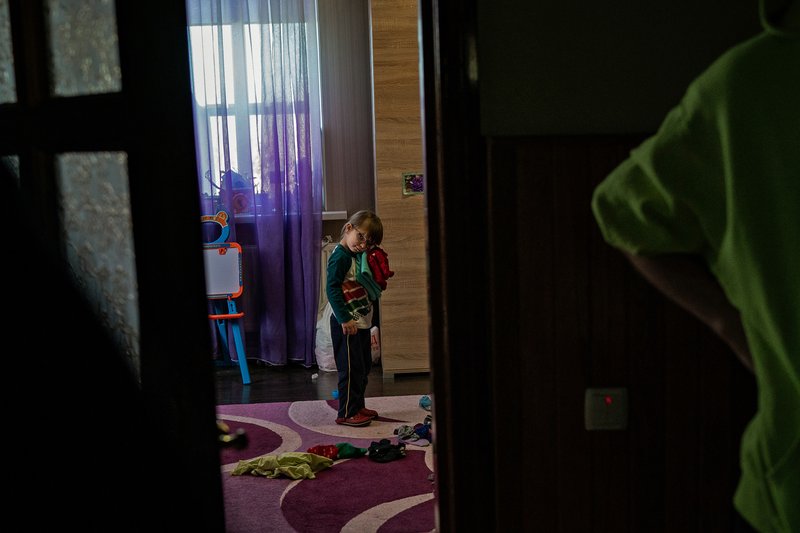
In early of 2022, Russia invaded its neighboring country Ukraine and upended millions of lives this year. Civilians and soldiers were killed, whole cities were destroyed and went dark, families were separated as men stayed behind to fight, fathers and mothers turned to soldiers overnight, children celebrated their birthdays in bomb shelters, and parents buried their children after they were killed on the battlefield defending their countries and millions of people were made refugees. As the fighting rages on, its grinding length and scale risk blotting out or blurring together the passing moments of trauma, resilience, mourning, exhaustion, and camaraderie that punctuate the lives of a people under invasion.
Cartel Rx: Fentanyl’s Deadly Surge
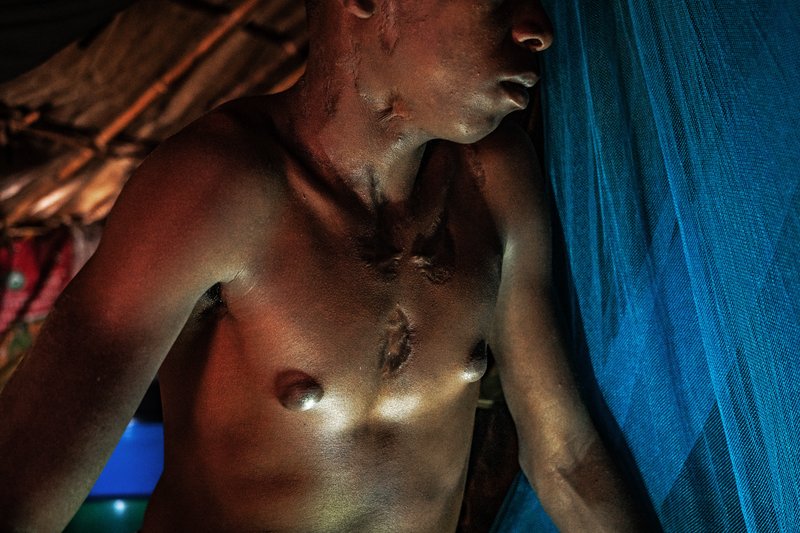
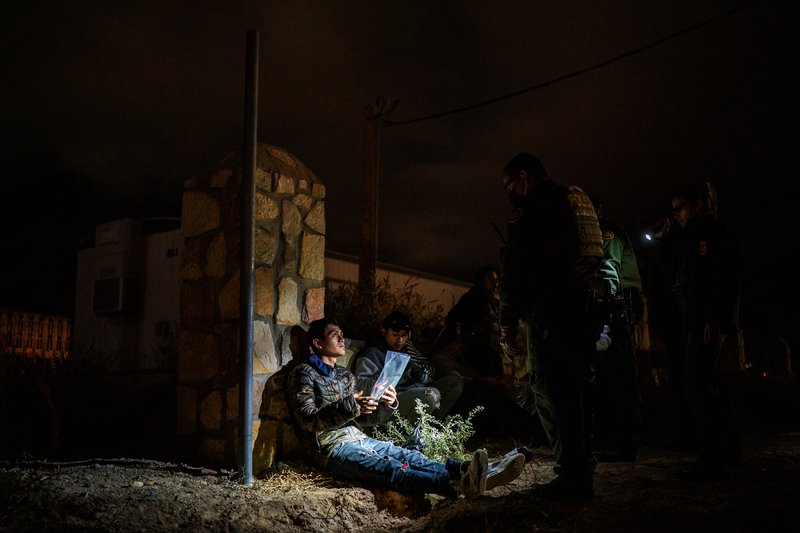
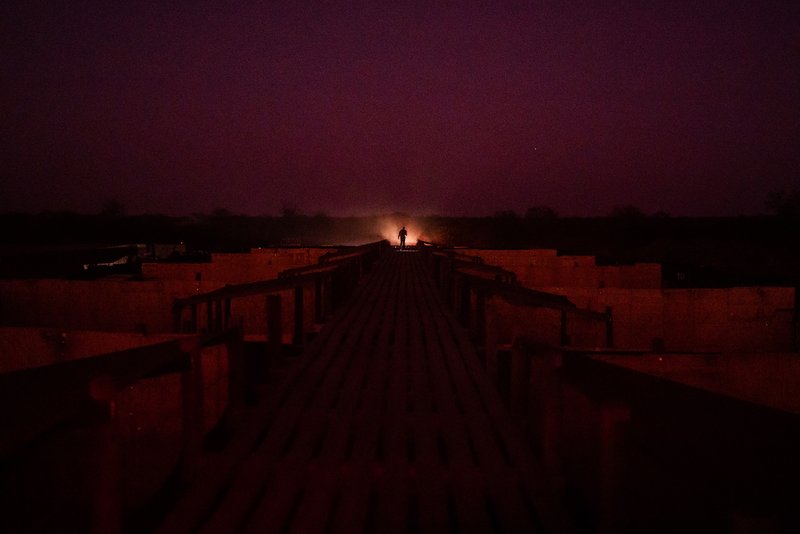
Fentanyl is now the leading cause of death for Americans ages 18 to 49. During the past seven years, as soaring quantities of fentanyl flooded into the United States, strategic blunders and cascading mistakes by successive U.S. administrations allowed the most lethal drug crisis in American history to become significantly worse. Presidents from both parties failed to take effective action in the face of one of the most urgent threats to the nation’s security, one that claims more lives each year than car accidents, suicides, or gun violence. The Drug Enforcement Administration, the country’s premier anti-narcotics agency, stumbled through a series of missteps as it confronted the biggest challenge in its 50-year history. The agency was slow to respond as Mexican cartels supplanted Chinese producers, creating a massive illicit pharmaceutical industry that is now producing more fentanyl than ever. The Department of Homeland Security, whose agencies are responsible for detecting illegal drugs at the nation’s borders, failed to ramp up scanning and inspection technology at official crossings, instead channeling $11 billion toward the construction of a border wall that does little to stop fentanyl traffickers. Across the border in Tijuana, Mexico, it has long been a major transit point for illicit goods into the U.S.: alcohol during Prohibition, waves of marijuana and cocaine after that. Now, it is a city of fentanyl. It is the most prolific trafficking hub into the United States for the drug and, increasingly, a city of users. It is their lifeless bodies that paramedics find on the streets. They are just as frequently victims of overdoses as violence. The turf war between local drug dealers has provoked a nightly shock of killings. There have been over 1,900 homicides in 2022, making it the deadliest city in Mexico. It is a place where language has adapted to new forms of violence, macabre and hyper-specific. Seizing labs and narcotics would be a monumental task for any law enforcement agency. But in parts of Mexico, where organized crime often has more power than the government, the more important question has become: Are authorities even trying? The government’s garage of seized narcotics, federal authorities say, is proof of their efforts to stop the flow of drugs and secure evidence for ongoing trials. It fills so quickly that once a month, to make more room, they take thousands of pounds of drugs to a desolate military outpost and set them on fire.